A whole sky for Mars is a rounding error for Venus.
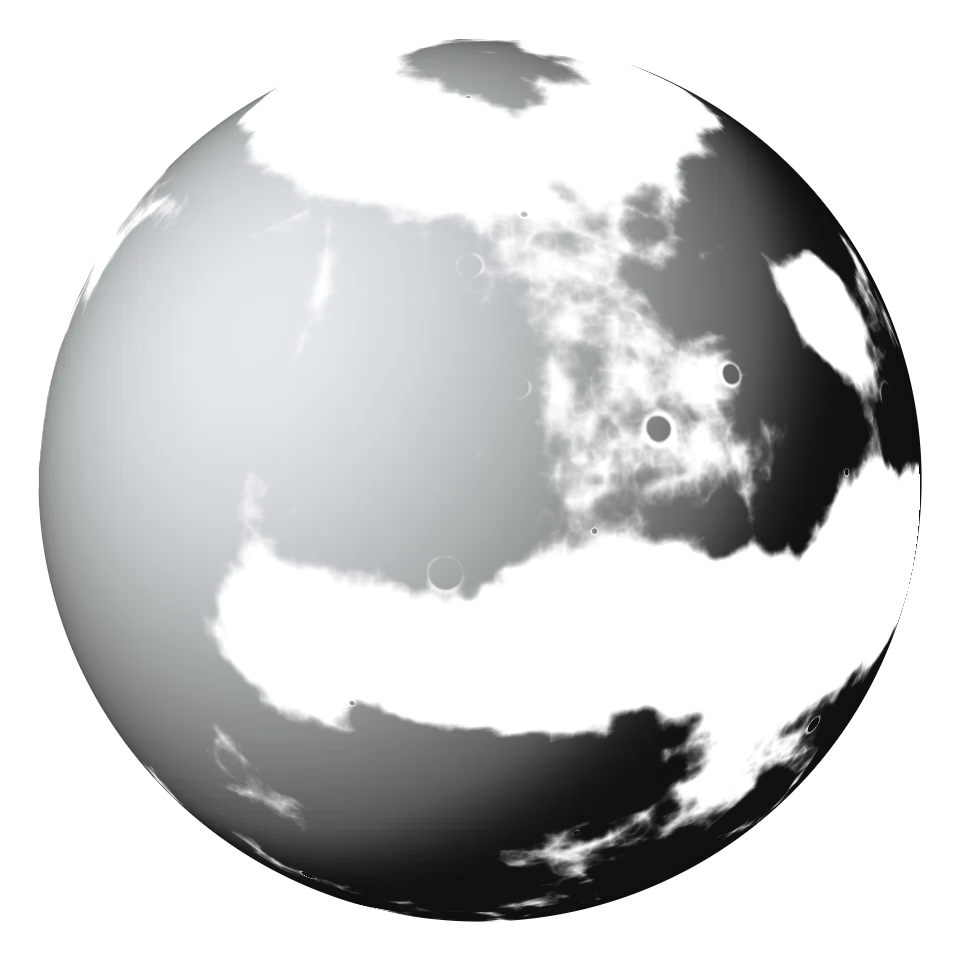
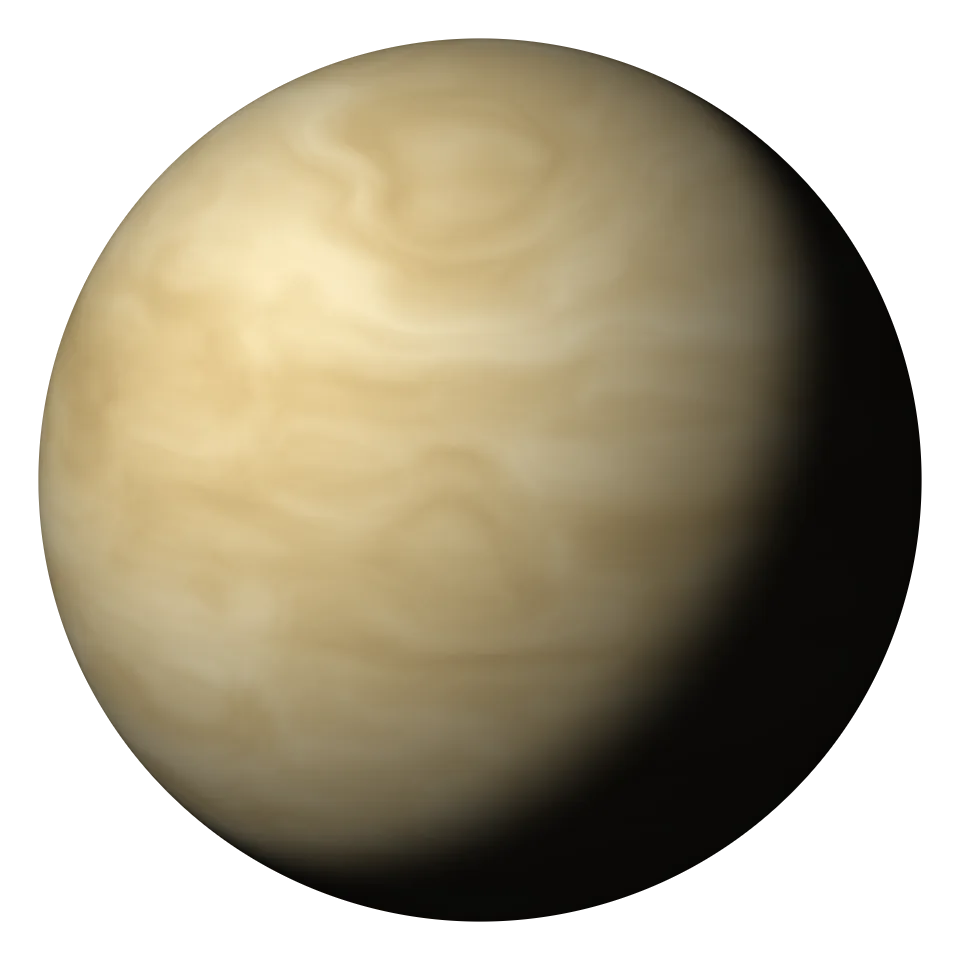
Circle area ∝ mass
0.81%
of Venus’s atmosphere gives Mars +1.00 bar. Venus would drop from 92 to 91.3 bar.
+1.00 bar
02 / How it moves
No rockets. Just a stream of ice.
Venus’s CO₂ is frozen into dry-ice pellets and thrown at Mars by an electromagnetic launcher. The cargo never carries fuel, engines or people. It is the payload and the vehicle at once.
Floating robotic platforms in Venus’s cloud layer pull in air and separate CO₂ from nitrogen. The nitrogen stays on Venus.
50–60 km · ≈0.2–1 bar · near room temperature
03 / Mars clock
How long until Mars has a sky?
Year 06 mbar · -63 °C
TODAY61,470 YEARS
TIME TO REACH TARGET
61,470 years
Longer than humans have been painting cave walls.
+1.00 bar
2,000 t/s
Tonnes of frozen Venus air burning up in Mars’s sky every second
No pressure suit needed (Armstrong limit)year 3,873
A quarter of Earth’s pressureyear 15,368
Half of Earth’s pressureyear 30,735
Earth sea-level pressureyear 61,470
Target reachedyear 61,470
LAUNCH POWER THIS RATE NEEDS
480 TW
Humanity
Sunlight on Earth
Sunlight on Venus
The Sun
1 GWlog scale10²⁷ W
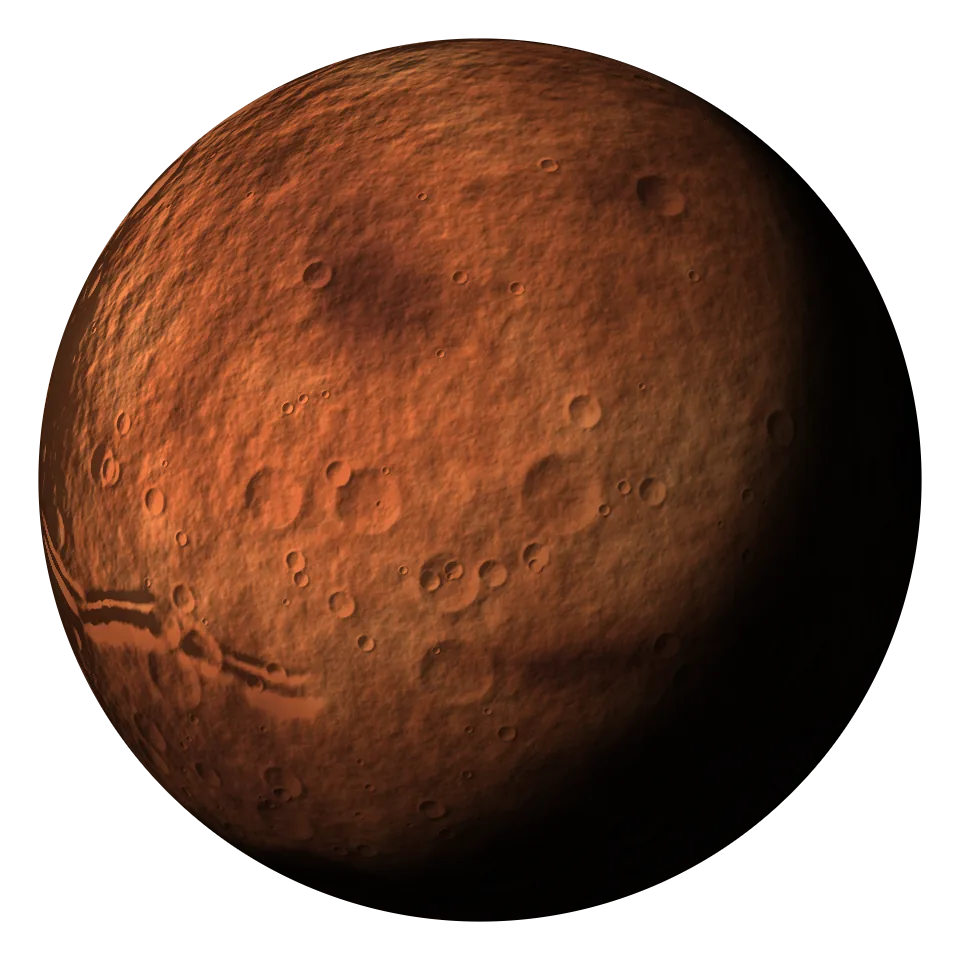
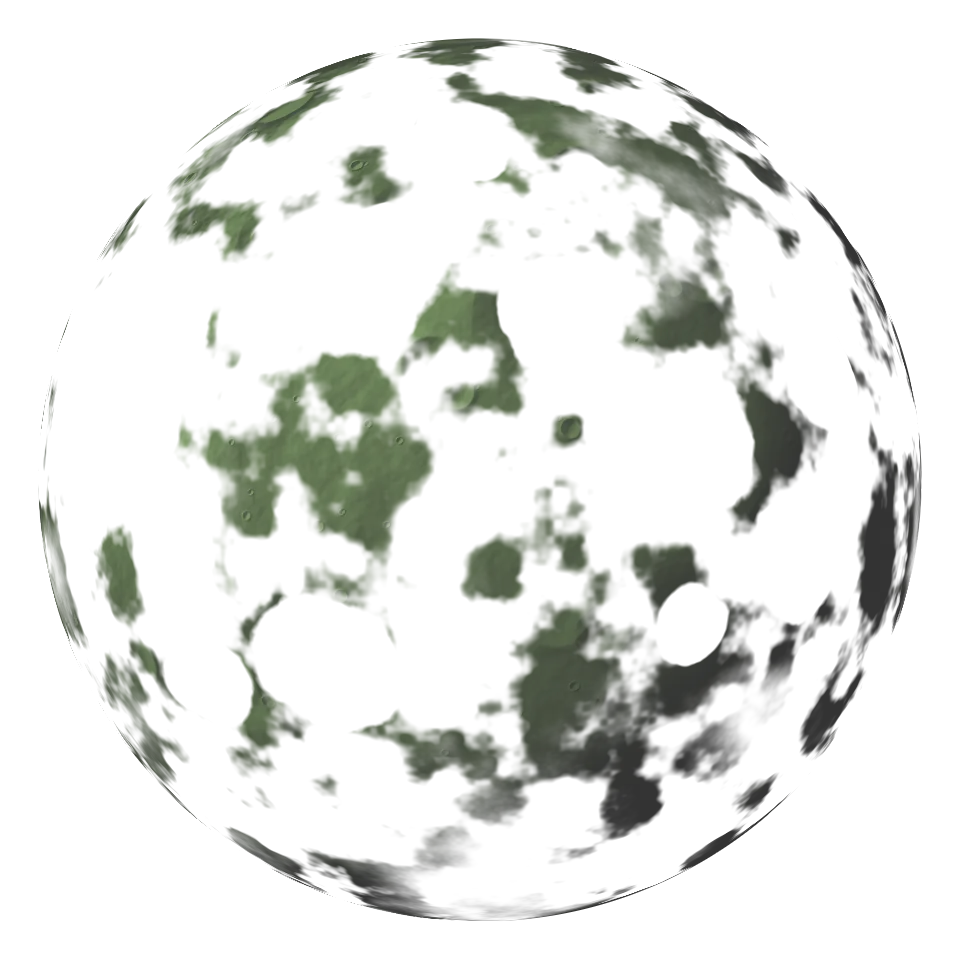
Water appears first in the deep Hellas basin and the canyons, then fills the northern lowlands, where ancient Mars probably had an ocean. Delivered gas is mostly CO₂: it thickens and warms the sky but isn’t breathable, so oxygen comes from separate production. The picture is illustrative, not a climate model.
04 / The launcher
Throw it. Don’t fly it.
Dry-ice pellets carry no people, so they can take brutal g-loads. Crank the acceleration and watch the track shrink.
7.34 km
ACCELERATOR LENGTH · L = v² / 2a
100 m
LHC ring, 27 km
Earth’s radius
1,000 g
12.0 km/s
1.22 s
on the rail
17.2×
its mass in TNT, as energy
05 / Robots that build robots
Twenty years? It depends on one number.
A small seed factory copies itself from local material until power or feedstock runs out. The number that decides everything is how fast it doubles.
DOUBLES EVERY
100 kg/s
1 t/s
10 t/s
100 t/s
1,000 t/s
10,000 t/s
100,000 t/s
1.00×10⁶ t/s
saturated
0y
5y
10y
15y
20y
MARS PRESSURE GAINED IN 20 YEARS
+2.86×10⁻³ bar
Of the way to 1 bar0.29%
Full capacity reachedyear 19.8
Peak delivery rate100,000 t/s
06 / Venus clock
How long to drain a hellworld?
Venus is the opposite problem. Almost all its CO₂ has to go, while its ≈2 bar of nitrogen stays as the base of a future breathable sky.
TIME TO STRIP THE CO₂
14,784 years
Longer than farming and cities have existed.
1 mbar
1.00×10⁶ t/s
20% / 80%
Below 50 baryear 6,906
Below 10 baryear 13,482
Surface below 100 °Cyear 14,784
All excess CO₂ goneyear 14,784
20 °C
at the end: cloud albedo 0.62, no sunshade, oceans
615 years
until exports alone could give Mars 1 bar
373,272 Tt
of CO₂ locked into carbonate rock on Venus
Year 092 bar · 464 °C
TODAY14,784 YEARS
07 / The cooling recipe
From 464 °C to 20 °C.
Here’s the twist. Strip the CO₂ and Venus doesn’t stay hot. Under today’s brilliant clouds it would freeze. The recipe is to remove the greenhouse, add water, then tune the clouds until the planet settles at 20 °C.
TODAY
Venus now
464 °C
STEP 1
Strip CO₂ to 1 mbar
-31 °C
STEP 2
Add oceans
-12 °C
STEP 3
Clouds at albedo 0.62
20 °C
STEP 4
No sunshade
20 °C
−80 °C20 °C line480 °C
VENUS SURFACE, FINAL
20 °C
Earth-like. A comfortable 20 °C world.
1 mbar
2 · Oceans (water vapour greenhouse)
0.62
0% of sunlight
Toy grey-atmosphere model: T = Teff·(1 + ¾τ)¼, sunlight 2,601 W/m², greenhouse depth τ calibrated to today’s Venus (464 °C) and today’s Earth. It ignores cloud greenhouse effects, circulation and chemistry. It shows the logic of the recipe, not the final answer. Venus’s slow rotation may help keep a thick, bright dayside cloud deck, which is why VMAT treats the sunshade as a fallback.
08 / Planet prototypes
Build a world you can walk on.
Pressure suit required
6.03 mbar
0.13%
95%
-63 °C
0%
5%
✕Blood won’t boil: fail
✓Not crushing: pass
✕Breathable O₂: fail
✕Safe CO₂: fail
✓Low fire risk: pass
✕Liquid water: fail
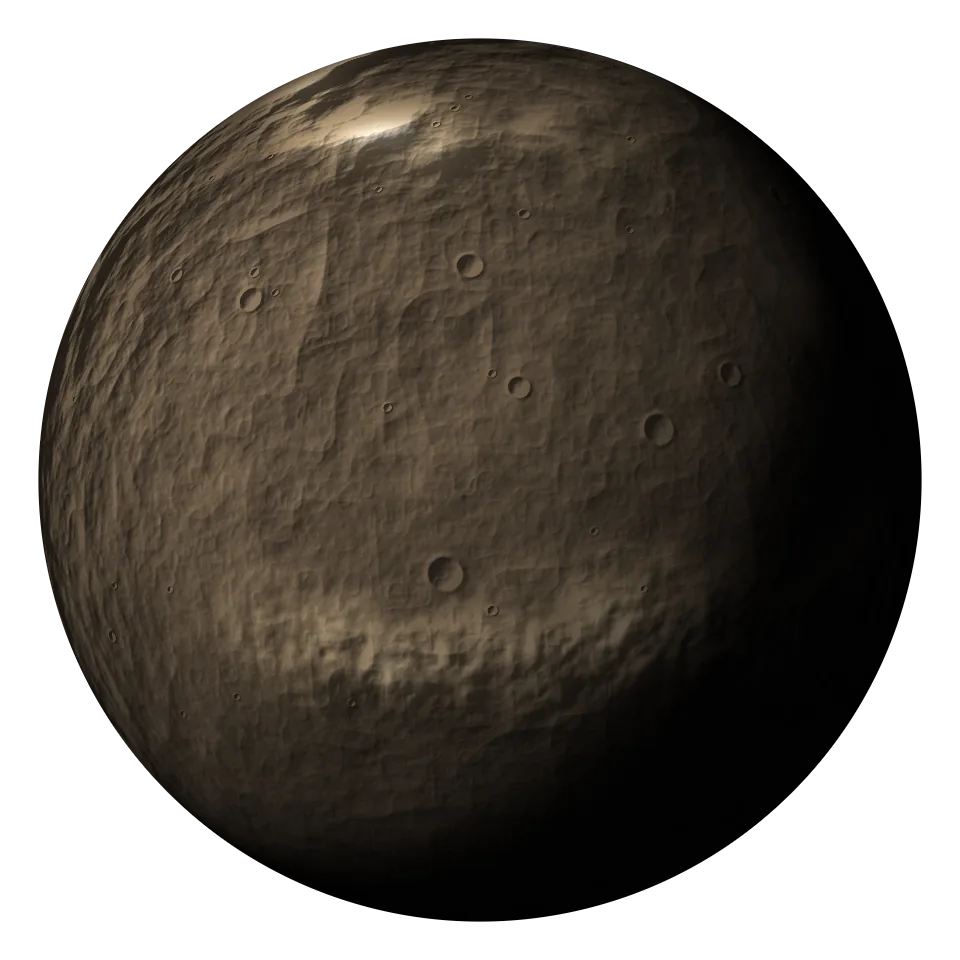
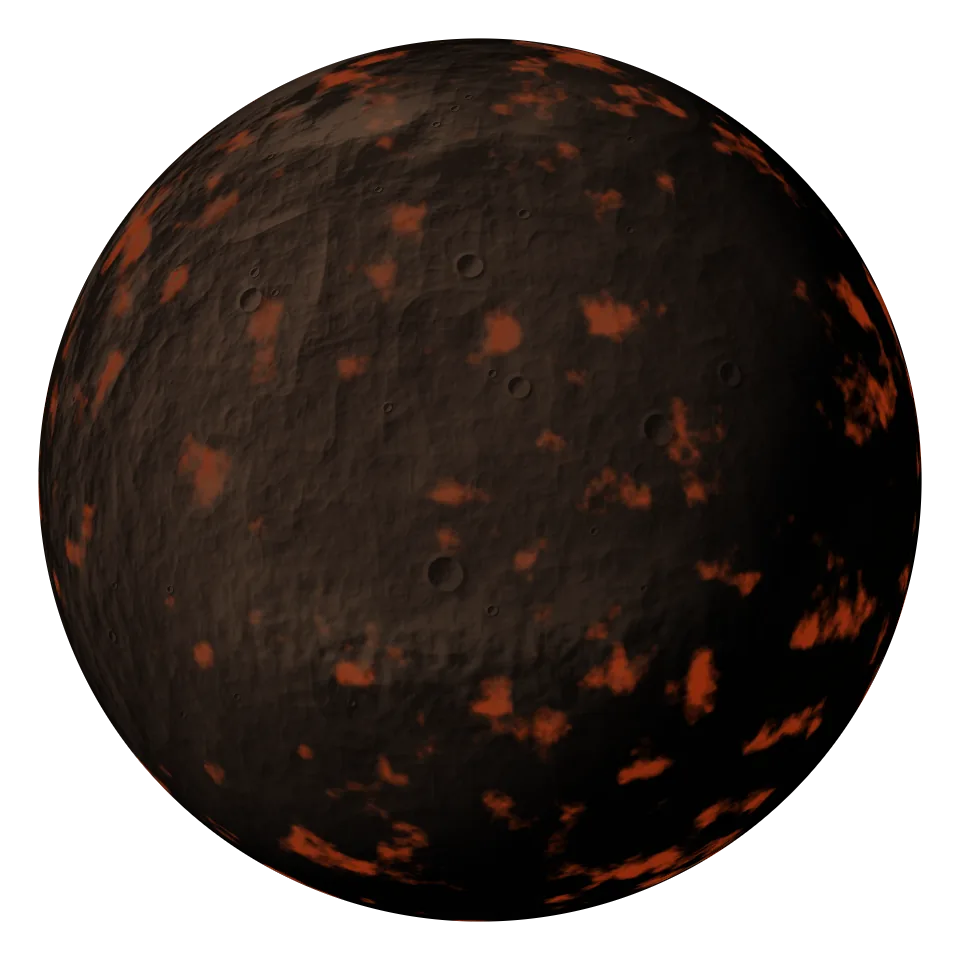
Venus gas adds mass and greenhouse warming. Oxygen is made on site, nitrogen is the buffer, and the toxic perchlorates in the soil still have to be cleaned up.
A whole sky for Mars is a rounding error for Venus.
Circle area ∝ mass
{{sc.pct}}
of Venus’s atmosphere gives Mars {{sc.pTxt}}. Venus would drop from 92 to {{sc.venusLeft}}.
{{sc.pTxt}}
02 / How it moves
No rockets. Just a stream of ice.
Venus’s CO₂ is frozen into dry-ice pellets and thrown at Mars by an electromagnetic launcher. The cargo never carries fuel, engines or people. It is the payload and the vehicle at once.
{{cur.body}}
{{cur.kf}}
03 / Mars clock
How long until Mars has a sky?
{{mv.yearTxt}}{{mv.pTxt}} · {{mv.tTxt}}
TODAY{{mars.endTxt}}
TIME TO REACH TARGET
{{mars.years}}
{{mars.era}}
{{mars.tTxt}}
{{mars.rTxt}}
Tonnes of frozen Venus air burning up in Mars’s sky every second
{{mi.label}}{{mi.yr}}
LAUNCH POWER THIS RATE NEEDS
{{mars.power}}
{{mk.label}}
1 GWlog scale10²⁷ W
{{mars.vlTxt}}
{{mars.effTxt}}
Water appears first in the deep Hellas basin and the canyons, then fills the northern lowlands, where ancient Mars probably had an ocean. Delivered gas is mostly CO₂: it thickens and warms the sky but isn’t breathable, so oxygen comes from separate production. The picture is illustrative, not a climate model.
04 / The launcher
Throw it. Don’t fly it.
Dry-ice pellets carry no people, so they can take brutal g-loads. Crank the acceleration and watch the track shrink.
{{md.L}}
ACCELERATOR LENGTH · L = v² / 2a
100 m
LHC ring, 27 km
Earth’s radius
{{md.aTxt}}
{{md.vTxt}}
{{md.tl}}
on the rail
{{md.tnt}}
its mass in TNT, as energy
05 / Robots that build robots
Twenty years? It depends on one number.
A small seed factory copies itself from local material until power or feedstock runs out. The number that decides everything is how fast it doubles.
DOUBLES EVERY
{{yt.label}}
saturated
{{xt.label}}
MARS PRESSURE GAINED IN {{g.yrs}}
{{g.bar}}
{{gm.k}}{{gm.v}}
{{g.seedTxt}}
{{g.capTxt}}
{{g.yrs}}
06 / Venus clock
How long to drain a hellworld?
Venus is the opposite problem. Almost all its CO₂ has to go, while its ≈2 bar of nitrogen stays as the base of a future breathable sky.
TIME TO STRIP THE CO₂
{{ven.years}}
{{ven.era}}
{{ven.resTxt}}
{{ven.rTxt}}
{{ven.shareTxt}}
{{vm.label}}{{vm.yr}}
{{vn.v}}
{{vn.k}}
{{vv.yearTxt}}{{vv.pTxt}} · {{vv.tTxt}}
TODAY{{ven.endTxt}}
07 / The cooling recipe
From 464 °C to 20 °C.
Here’s the twist. Strip the CO₂ and Venus doesn’t stay hot. Under today’s brilliant clouds it would freeze. The recipe is to remove the greenhouse, add water, then tune the clouds until the planet settles at 20 °C.
{{cs.n}}
{{cs.label}}
{{cs.t}}
−80 °C20 °C line480 °C
VENUS SURFACE, FINAL
{{cool.final}}
{{cool.verdict}}
{{ven.resTxt}}
2 · Oceans (water vapour greenhouse)
{{cool.albTxt}}
{{cool.shdTxt}}
Toy grey-atmosphere model: T = Teff·(1 + ¾τ)¼, sunlight 2,601 W/m², greenhouse depth τ calibrated to today’s Venus (464 °C) and today’s Earth. It ignores cloud greenhouse effects, circulation and chemistry. It shows the logic of the recipe, not the final answer. Venus’s slow rotation may help keep a thick, bright dayside cloud deck, which is why VMAT treats the sunshade as a fallback.